
LEARNING DISABILITY & ADHD CENTER IN CHICAGO, IL
Helping Children and
Adults Reach Their
Full Potential
Adults Reach Their
Full Potential
For Adults
Get in touch with one of our specialists to discuss testing, therapy, and treatment options for:
ADD/ADHD
ANXIETY
DEPRESSION
PTSD
LEARNING DISABILITIES
ANXIETY
DEPRESSION
PTSD
LEARNING DISABILITIES
For Children
We offer comprehensive testing, therapy, treatment, and tutoring options for children and students with learning disabilities, including:
ADD/ADHD
DYSLEXIA
DYSCALCULIA
DYSGRAPHIA
AUTISM & MORE
DYSLEXIA
DYSCALCULIA
DYSGRAPHIA
AUTISM & MORE
For Business
We also offer programs for business executives and CEOs who are looking to improve their skills:
EXECUTIVE FUNCTIONING TRAINING
NEUROFEEDBACK THERAPY
NEUROFEEDBACK THERAPY

WHO WE ARE
Why Choose Cognitive Solutions?
Cognitive Solutions Learning Center in Chicago, Illinois offers a staff composed of highly educated trained specialists from a variety of disciplines. Our focus is on proper diagnosis and research based treatment for individuals with Attention Deficit Hyperactivity Disorders, Learning Disabilities (Dyslexia, Dysgraphia, Dyscalculia), Autism, Anxiety, PTSD, and Depression. In addition to comprehensive psychoeducational and neuropsychological testing, our programs include EEG neurofeedback, educational therapy, psychotherapy, tutoring, and executive functioning skills training.
WHAT WE OFFER FOR YOU
Testing, Therapies & Treatments

We offer a variety of testing solutions for learning disabilities including:...

A learning disability, such as dyslexia, dysgraphia, or dyscalculia, is defined...

Attention deficit hyperactivity disorder (ADD ADHD) is a chronic condition that...

Cognitive Solutions offers Executive Functioning tutors and One on One skill...

A learning disability, such as dyslexia, dysgraphia, or dyscalculia, is defined...

Cognitive Solutions Learning Center, Inc. in Chicago offers a range of counseling...

25+
Years of Experience

1000+
Satisfied Clients
CSLC TEAM
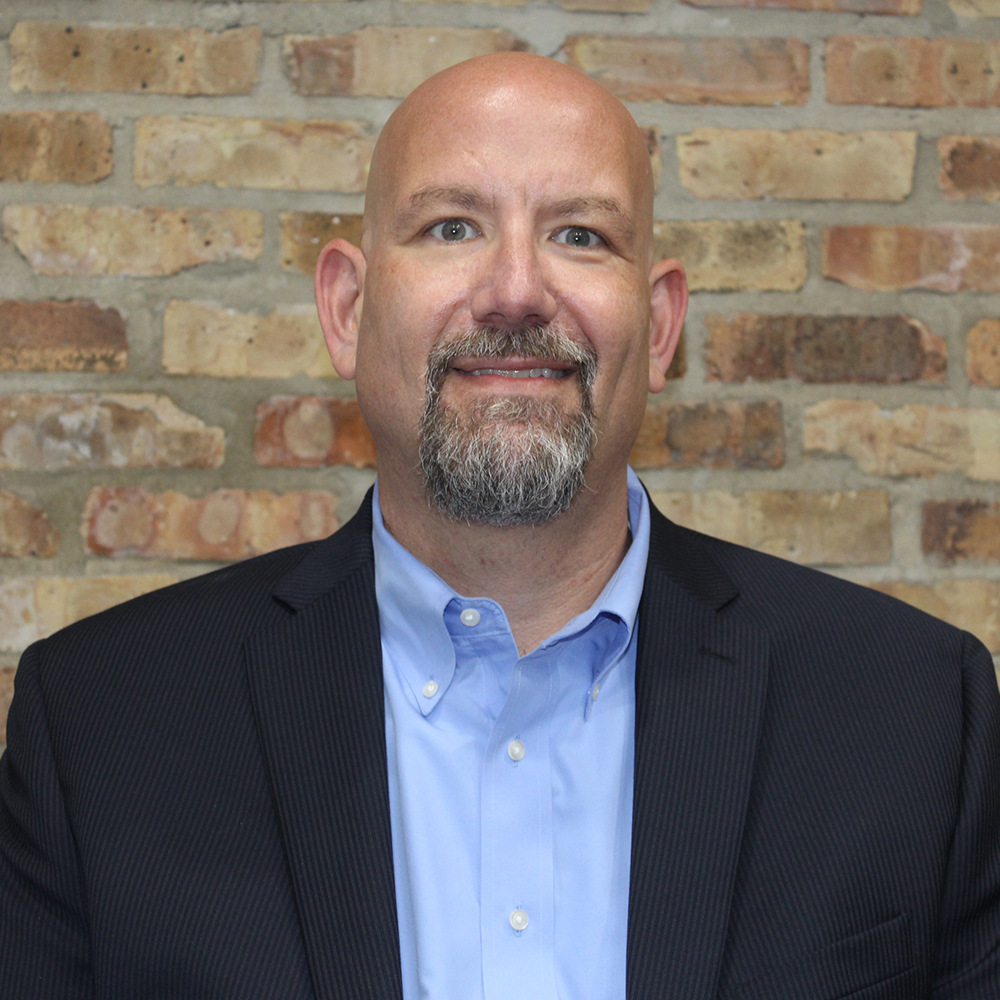
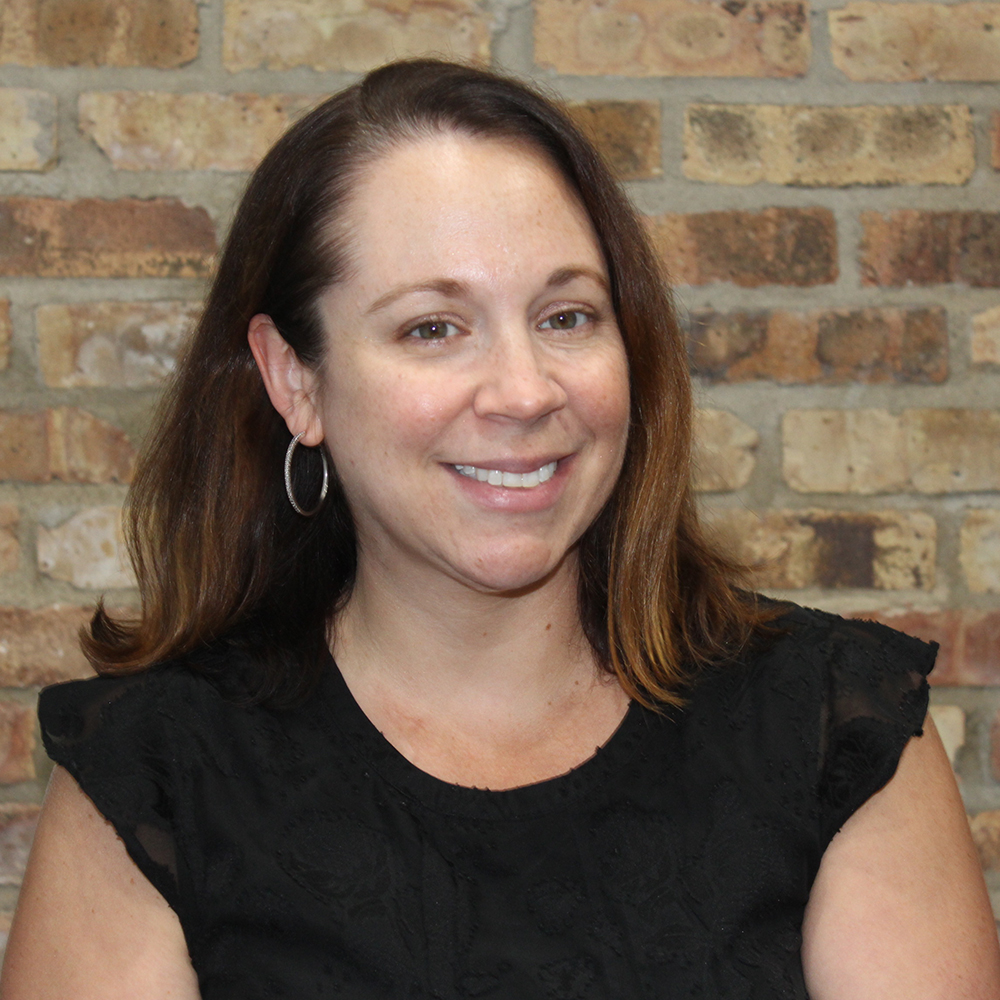
Meet Our Specialists
Cognitive Solutions Learning Center in Chicago, Illinois offers a staff composed of highly educated and trained specialists from a variety of disciplines. We strive to apply cutting edge research and field findings to our work, to help individuals reach their full potential.

TESTIMONIALS
What Our Clients Say
“This place is amazing our son (6 at the time) was having problems at school. Thanks to their advice our son (now almost 8) is doing SO much better. I would recommend this place to anyone even considering an assessment for their child!”
J.B.
“The tests Dr. Goldstein used were very accurate in determining the correct concerns, plus he provided excellent advice on tools and resources in moving forward. Five Stars all the way!”
E.H.
“Our teacher suggested that we test our 8 year-old and we could not be happier with the process, the staff and the outcome. This was one of the best things we could have done for our daughter.”
P.B.
“Dr. Goldstein and his staff are very professional, patient and understanding about the entire process. Our family is very grateful to have found and highly recommend Cognitive Solutions Learning Center!”
L.M.
“Dr. Goldstein and the staff at Cognitive Solutions was the best. Dr Goldstein helped my son through the extensive testing, identify and explain his learning disability, along with giving him hope for a brighter future! Thank you.”
H.P.
“After observing my son demonstrating disruptive behavior, I was advised to take him to CSLC for testing. They were able to identify issues and offer realistic strategies to put him on the path to success.“
C.J.
“Dr Goldstein and the staff at Cognitive Solutions was the best. Dr Goldstein helped my son through the extensive testing, identify and explain his learning disability, along with giving him hope for a brighter future! Thank you.”
C.O.
“We have been patients of Cognitive Solutions for years. The evaluations are thorough without taking too much away from school. We would recommend for evaluations we well as learning specialist needs.”
M.B.
INSIGHTS AND NEWS
Our Latest News

Can Neurofeedback Train the ADHD Brain?
Living with Attention Deficit Hyperactivity Disorder (ADHD) presents daily...

Signs Your Child Needs a Psychoeducational Assessment as a form of Learning Check-in
As parents, we're on a constant quest to support our children and ensure they...

How do Auditory or Visual Processing Disorders Impact Reading Development in Children?
For all children, the acquisition of reading skills plays a crucial role in...
COGNITIVE SOLUTIONS LEARNING CENTER
Get In Touch
Helping children and adults reach their full potential.
Call: (773) 755-1775